Many furniture quote problems start before the supplier sends a price. The buyer asks for a cabinet, nightstand, storage unit, pet furniture item, or project furniture piece, but the request does not define enough details. The supplier then fills the gaps with its own assumptions.
That is how two quotes can look different even when the product name is the same. One factory may quote a thinner board, simpler hardware, lighter carton, cheaper finish, or different assembly level. Another may include stronger packaging, better drawer runners, thicker panels, or extra accessories. Without a clear product specification sheet, the buyer is not comparing the same product.
Kuan Zhang’s view is that a furniture specification sheet is not paperwork for large companies only. It is a practical control tool. It helps buyers make suppliers quote the same target, helps factories understand what matters, and reduces the chance that the first sample becomes a long argument about details that were never written down.
Start With the Product Role
Before listing dimensions and materials, the buyer should define the role of the product. Is it for online retail, wholesale distribution, hotel rooms, apartment projects, private-label collections, or a trial order for a new category? The same product shape may need different details depending on the channel.
An e-commerce product may need compact carton size, simple assembly, clear accessory bags, and a surface that photographs well. A hotel or apartment project may need stronger repeatability, consistent finish, easy installation, and replacement parts. A smart bedroom product may need charging modules, cable routing, and service access. A pet furniture product may need surface durability, stability, and cleaning logic.
This first decision keeps the specification sheet practical. It tells the supplier what problem the product must solve, not only what the product should look like.
Define Dimensions and Tolerance Clearly
Dimensions should include overall size, usable storage size, drawer internal size, shelf height, leg height, panel thickness, back panel thickness, and any open space needed for cables, accessories, or installation. If the product must fit a mattress height, hotel room layout, shipping carton limit, or retail shelf plan, that requirement should be written down.
Buyers should also be realistic about tolerance. Furniture is not produced like a precision electronic part, but loose dimensions can still create problems. A drawer gap that looks acceptable in a photo may look poor in mass production. A carton that grows slightly may change container loading. A board thickness change may affect hardware and stability.

For products that may move to repeat orders, dimensions should be tied to drawings or annotated photos. A simple marked image is often better than a long message because it reduces misunderstanding between buyer, salesperson, sample worker, and production team.
Specify Material, Board, and Surface Finish
Material wording should be specific. “Wood color” is not enough. Buyers should define whether the product uses MDF, particle board, plywood, solid wood, metal frame, glass, fabric, rattan, plastic parts, or a mixed structure. For panel furniture, board thickness, density expectation, edge banding, surface paper, melamine, veneer, painted finish, or high-gloss surface should be clarified.
Finish decisions are especially easy to underestimate. A color name may mean different things to different suppliers. A walnut finish, oak finish, white finish, or matte black finish can vary widely. Buyers should provide a reference sample, color code, finish photo, or approved supplier sample when the appearance matters to the channel.
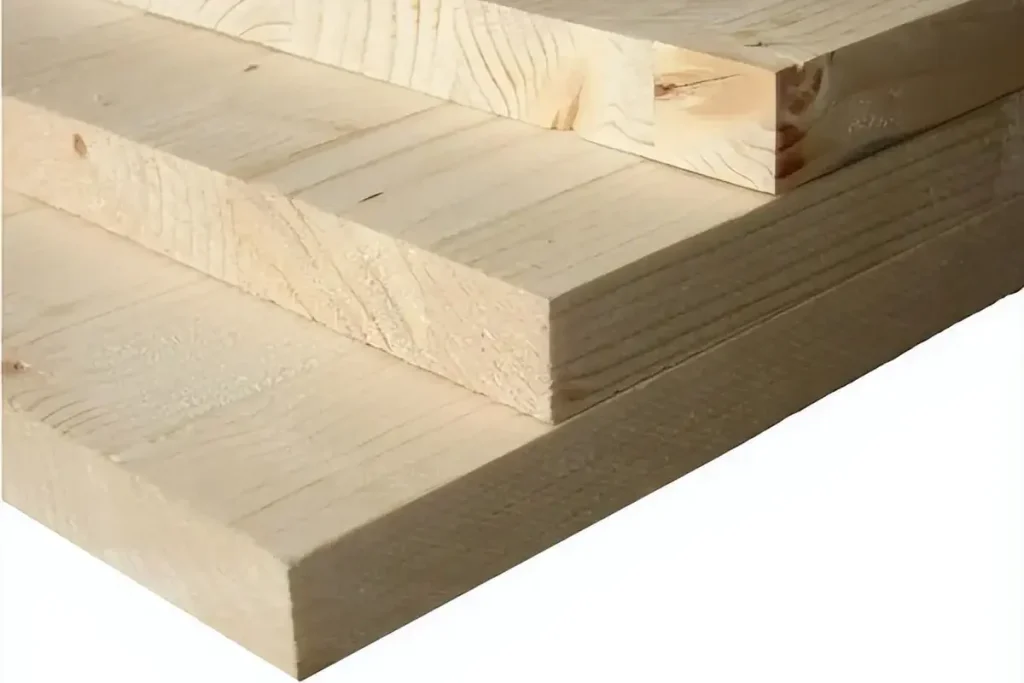
If the product belongs to a collection, the specification should also mention which other items it must match. A nightstand that looks good alone may not match the bed, dresser, wardrobe, or existing room set. A storage item may need to match a broader home-furniture color direction. This is why material and finish decisions should be confirmed before sample approval, not after the sample arrives.
List Hardware and Functional Parts
Hardware is one of the most common reasons furniture quotes are not comparable. A drawer runner, hinge, handle, leg, wheel, adjustable foot, connector, screw, anti-tip kit, lock, LED light, wireless charging module, USB port, or adapter can change both cost and user experience.
The specification sheet should list the hardware type, visible finish, expected function, and any brand or quality level requirement. If the buyer does not know the exact hardware yet, the sheet should still state the expected performance. For example: smooth drawer movement, soft-close requirement, metal handle finish, anti-tip hardware included, replaceable charging module, or hotel-use durability.
For connected bedroom products, the earlier article on the shift from nightstands to smart nightstands explains why smart functions should not be treated as decoration. They affect sourcing, safety, service, packaging, and buyer expectations.
Clarify Assembly Level and Packaging
The same furniture item may be quoted as fully assembled, semi-assembled, or KD flat-pack. Each option changes labor, carton size, shipping cost, damage risk, instruction requirements, and customer experience. Buyers should not let the factory decide this silently.
A good specification sheet should state assembly level, carton quantity, inner protection preference, accessory bag layout, instruction requirement, carton mark needs, barcode or label needs, and whether drop-test or other packaging checks are expected. For fragile surfaces, glass, high-gloss panels, lighting parts, or smart modules, packaging should be reviewed as part of product design.
The article on bedroom furniture packaging and loading covers this issue in more detail. Packaging is not only a logistics topic. It affects product claims, customer reviews, and whether the supplier can repeat the order without constant corrections.
Separate Must-Have Details From Open Options
Not every detail has to be fixed before the first quote. Buyers can mark some items as required and some as optional. This helps suppliers offer practical alternatives without changing the core product.
Required details may include target size, board thickness, finish direction, drawer count, hardware function, assembly level, target market plug type, carton limit, or safety accessory requirement. Optional details may include handle style, leg shape, color alternatives, premium runner option, upgraded packaging, or alternative board material.
This structure makes quote comparison cleaner. The buyer can ask for one base quote and one upgraded quote instead of receiving several prices that cannot be compared. The framework in how furniture buyers compare supplier quotes is useful once the specification sheet is clear enough to support fair comparison.
Use the Specification Sheet to Control Samples
A sample should be checked against the specification sheet, not only against the buyer’s memory of earlier messages. When the sample arrives, the buyer can review dimensions, material, finish, hardware, assembly, packaging, accessories, instructions, and functional parts point by point.
If the sample is approved with changes, the sheet should be updated. If the sample is rejected, the sheet should show exactly which points failed. This prevents repeated sample mistakes and helps the factory transfer the final requirement to production.
This is also linked to MOQ and sample order planning. If the sample uses a special finish, special hardware, printed carton, or custom module, the buyer should ask whether those details affect MOQ, cost, and lead time.
A Practical Specification Sheet Checklist
Before asking for furniture quotes, buyers can prepare a simple checklist:
- Product name, target market, sales channel, and intended use.
- Overall dimensions, internal dimensions, panel thickness, leg height, and key tolerances.
- Main material, board type, surface finish, edge treatment, and color reference.
- Hardware list, drawer runners, hinges, handles, legs, locks, lights, charging modules, or other functional parts.
- Assembly level, accessory list, instruction requirement, and spare-part expectations.
- Packaging structure, carton size target, inner protection, labels, and carton marks.
- Sample approval points and which details must match mass production.
- Open options where the supplier may suggest alternatives.
Final Note
A furniture product specification sheet does not need to be complicated, but it must be clear. It should help the supplier quote the right product, help the buyer compare prices fairly, and help both sides avoid preventable sample and production disputes.
For buyers, the best time to improve a furniture order is before the first quote. Once the specification is clear, the next steps become more controlled: supplier selection, quote comparison, sample approval, MOQ discussion, factory capability review, packaging confirmation, and repeat-order planning.