MOQ is one of the first questions furniture buyers ask, but it is often misunderstood. A minimum order quantity is not just a supplier’s way to reject small buyers. In furniture sourcing, MOQ is connected to material purchasing, production setup, finishing process, packaging, hardware, carton printing, loading efficiency, and the supplier’s willingness to manage a custom order.
Sample orders create the same kind of confusion. A buyer may expect a sample to be cheap and fast because only one piece is needed. A supplier may quote a higher sample cost because the factory still has to prepare materials, adjust the production line, make finishing samples, cut panels, source hardware, pack the item, and arrange export delivery for a non-standard quantity.
The real question is not whether the MOQ is high or low. The better question is whether the MOQ makes sense for the product, supplier type, customization level, packaging requirement, and the buyer’s next order plan.
MOQ Is a Production Question, Not Only a Sales Question
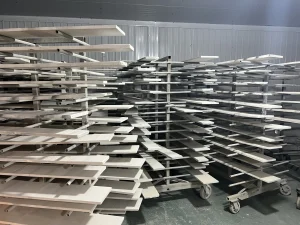
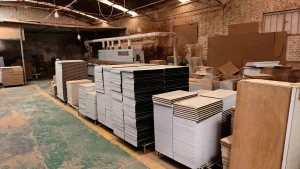
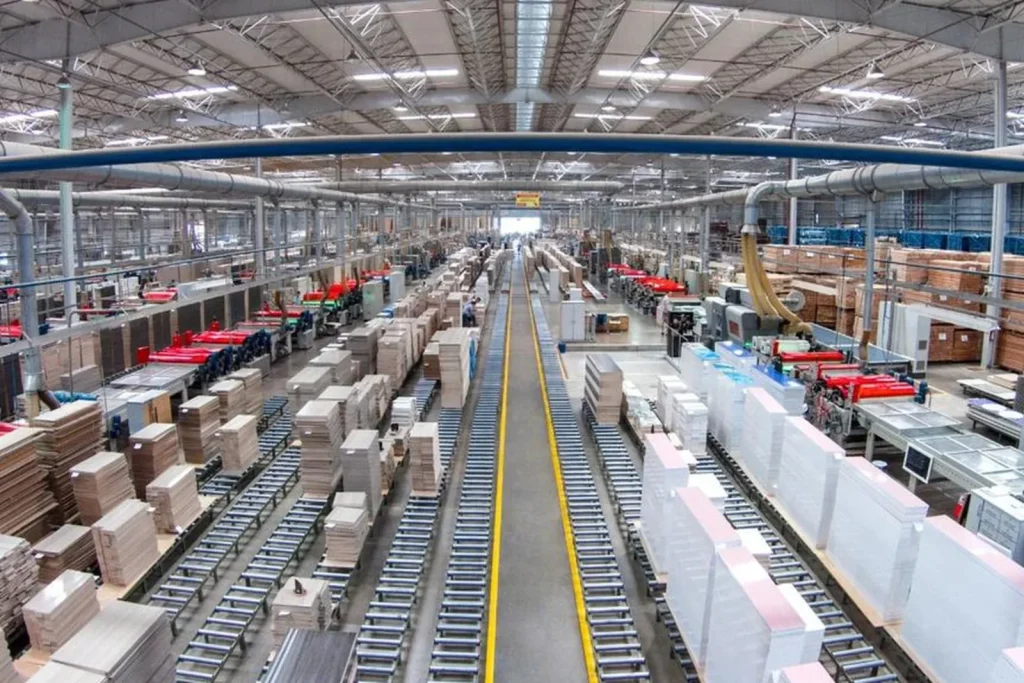
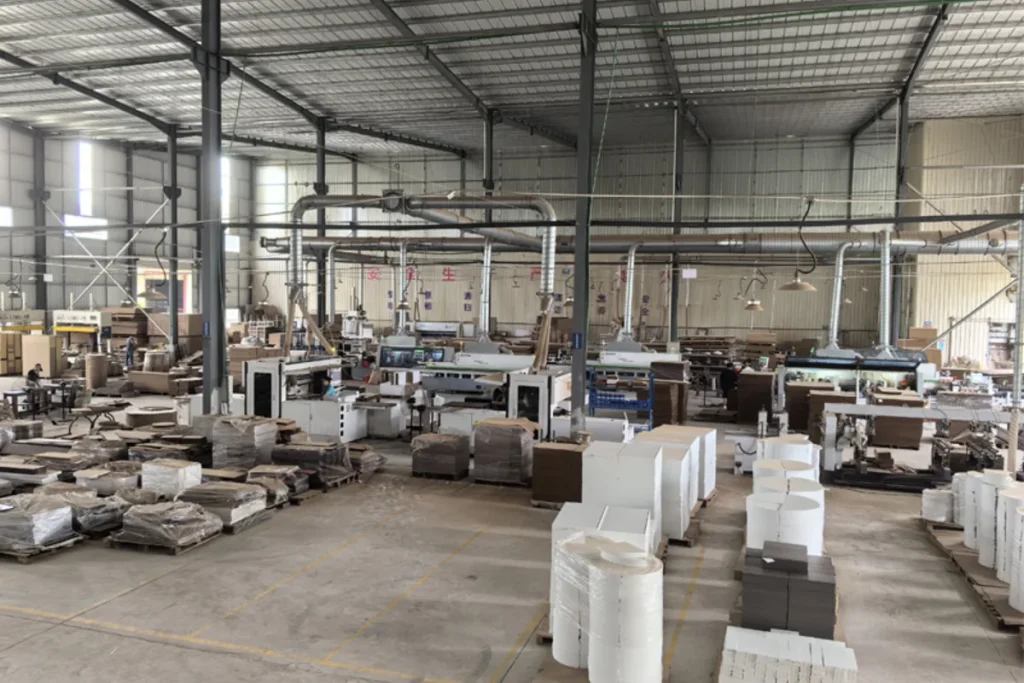
Furniture production usually depends on batches. Board, veneer, fabric, metal parts, charging modules, drawer slides, handles, cartons, foam, labels, and instruction sheets are often purchased or prepared in minimum quantities. When the buyer changes size, color, finish, hardware, or packaging, the supplier may need to reset part of the production process.
For a standard item already in regular production, the MOQ may be flexible. For a private-label product, custom finish, special dimension, or new smart-furniture configuration, the MOQ may become higher. For project furniture, MOQ may depend on room quantity, finish approval, installation schedule, and whether the supplier can combine items in the same production batch.
Kuan Zhang’s view is that buyers should treat MOQ as a signal. If a supplier explains the reason clearly, the MOQ can help the buyer understand production reality. If a supplier only gives a number without explaining material, packaging, or setup logic, the buyer still does not know what that number means.
Ask What the MOQ Includes
MOQ can refer to different things. It may mean one SKU, one color, one size, one finish, one carton design, one production batch, or one container mix. Buyers should not assume the meaning. A supplier may accept 100 pieces total but require each color to reach a smaller internal quantity. Another supplier may accept mixed models but require the same finish. A third supplier may allow mixed cartons only when packaging stays standard.
The buyer should ask:
- Is the MOQ counted by model, color, finish, size, or total order?
- Can different SKUs be mixed in one order?
- Does private-label packaging change the MOQ?
- Does the MOQ include spare parts or replacement parts?
- Can a trial order use standard packaging first?
- What changes if the buyer orders by container instead of by piece count?
This is also where supplier type matters. A direct factory, trading company, showroom supplier, and hybrid supplier may handle small orders differently. The article China Furniture Supplier Types Buyers Should Understand is useful background before judging whether a MOQ is reasonable.
Sample Cost Should Be Judged Against the Brief
A furniture sample is not only a sales display item. It is a test of specification, production interpretation, finish quality, structure, packaging direction, and supplier communication. If the buyer sends only a product photo and asks for a sample price, the result may be unclear. The supplier may build something close to the photo, but both sides may still disagree later about material, hardware, thickness, finish, packaging, and mass-production cost.
Before paying for a sample, buyers should confirm the sample brief in writing. The brief should include dimensions, material, finish, hardware, function, packaging direction, target market, and whether the sample should represent mass production or only visual direction. A sample made for visual reference is not the same as a production-ready sample.
For smart nightstands and connected bedroom furniture, the sample brief should also confirm electrical modules, adapter requirements, cable routing, heat considerations, and testing expectations. That category has more details than an ordinary cabinet, as explained in Smart Nightstands and Connected Bedroom Furniture: What Buyers Should Check.
Low MOQ Can Create Hidden Costs
A low MOQ sounds attractive, especially for new importers or brand teams testing a category. The risk is that the supplier may protect itself by simplifying materials, using standard packaging, increasing the unit price, limiting customization, or excluding some after-sales responsibilities. That may be acceptable for a trial order, but the buyer should understand the tradeoff.
Low MOQ is most useful when the product is close to the supplier’s existing production, the buyer accepts standard materials, the packaging is not customized, and the first order is meant to test market response. Low MOQ becomes risky when the buyer expects full private-label development, special packaging, special finish, and low unit price at the same time.
A practical buyer can ask the supplier to separate three scenarios: sample order, trial order, and regular reorder. This makes the discussion more realistic than asking for one MOQ number.
Packaging Can Change MOQ
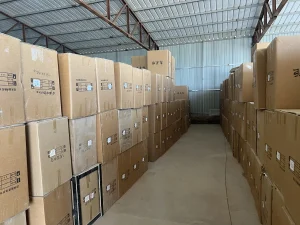
Furniture packaging is not a minor detail. Carton size, carton printing, inner protection, foam, corner guards, assembly instructions, labels, hardware packs, and pallet requirements all affect cost and preparation. If the buyer wants private-label cartons or retailer-specific labels, the supplier may need a higher MOQ because the packaging materials themselves have minimum purchasing quantities.
For export orders, packaging should be discussed before the sample is approved. A beautiful sample can still fail if the carton is weak, oversized, difficult to load, or unclear for assembly. Buyers planning container shipments should connect MOQ with carton size and loading assumptions. The article Bedroom Furniture Packaging and Loading Notes for Buyers explains this packaging logic in more detail.
MOQ and Price Should Be Reviewed Together
MOQ and price are linked. A supplier may offer a lower unit price at a higher quantity because material purchasing, labor setup, finishing, packaging, and loading become more efficient. At a smaller quantity, the supplier may need to increase the price or reduce customization. This is not automatically unfair; it is part of furniture production economics.
Buyers should compare quotes by assumption, not only by unit price. If one supplier quotes a lower MOQ and lower price, check whether material grade, hardware level, finish, packaging, inspection, and lead time are the same. The process is similar to the framework in How Furniture Buyers Should Compare Supplier Quotes Before Sampling.
A serious quote should state what happens at different order levels. For example, the supplier may provide one price for a small trial order, another for a regular batch, and a third for full-container planning. This helps the buyer see whether the program can scale.
Lead Time Starts From Clear Approval
MOQ discussions often ignore time. A supplier may say the sample takes 15 days, but that timeline may start only after the buyer confirms drawings, material, color, hardware, packaging, and payment. A mass-production lead time may start after deposit, sample approval, packaging artwork approval, or material confirmation. Buyers should ask which event starts the clock.
This matters because many furniture delays are not caused by production alone. Delays often come from unclear sample feedback, late artwork, changed specifications, missing component approvals, or packaging decisions made too late. A clear approval process protects both sides.
A Practical MOQ and Sample Checklist
Before paying a supplier, buyers can use a short checklist:
- Confirm whether MOQ is counted by model, color, finish, size, carton, or total order.
- Separate sample order, trial order, and regular reorder assumptions.
- Confirm material, hardware, finish, packaging, and inspection expectations.
- Ask whether private-label packaging changes MOQ or lead time.
- Check whether the sample represents mass production or only visual direction.
- Clarify who pays sample freight, customs charges, and remake costs if the sample misses the written brief.
- Ask for price levels at different quantities instead of only one number.
- Confirm when sample and production lead times actually begin.
Final Note
MOQ and sample orders are not obstacles to get around. They are part of the sourcing conversation. When buyers ask better questions, they can see whether a supplier is flexible, whether the product is suitable for a trial order, and whether the business can grow into repeat production.
The strongest furniture sourcing discussions are not built around the lowest sample cost or the smallest MOQ. They are built around clear assumptions, realistic production planning, and a supplier relationship that can survive the first order and improve on the second.