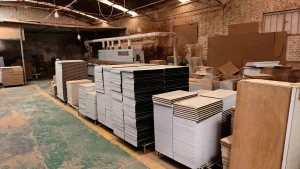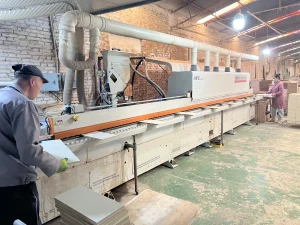
Smart nightstands and connected bedroom furniture are not only furniture items with a charging function. They sit between cabinet production, electrical sourcing, user safety, packaging protection, and retail positioning. That mix makes the category attractive, but it also means buyers should prepare more carefully than they would for a basic wooden bedside table.
A supplier may be strong at cabinet production but weak at electrical integration. Another supplier may understand charging modules but lack stable finishing, drawer structure, or packaging control. A useful sourcing process checks both sides of the product: the furniture body and the connected function.
Define the Function Before Asking for Price
Buyers should first decide what “smart” means in the product brief. Common functions include USB charging, Type-C charging, wireless charging, LED lighting, motion sensors, Bluetooth speakers, app control, hidden sockets, or cable-management systems. Each function changes cost, testing, packaging, and after-sales expectations.
A simple USB outlet is very different from a wireless charging module integrated under a wood or glass surface. Wireless charging may require alignment, heat management, surface material planning, and clearer user instructions. LED functions may require switch placement, cable routing, and replacement planning. If the buyer does not define the function clearly, suppliers will quote different assumptions and the prices will not be comparable.
Check Cabinet Quality and Electrical Coordination Together
The furniture structure still matters. A smart nightstand needs stable boards, reliable drawer slides, smooth finishing, clean edge treatment, and enough internal space for components and wiring. Poor cabinet design can create heat, cable pressure, noise, or difficult assembly.
Ask how the supplier coordinates the electrical module with the furniture structure. Where are cables routed? Is there strain relief? Can the module be replaced? Are screws, glue, or clips used? Will packaging protect both the cabinet finish and the electronic parts? These questions are practical, not theoretical. They often decide whether a product can survive sampling, transport, and retail use.
Look at Compliance, Market, and After-Sales Risk
Connected bedroom furniture may need different documentation depending on the destination market. Buyers should discuss plugs, voltage, certificates, labeling, manuals, and component sourcing early. Even when a supplier can produce the furniture, the buyer needs to know whether the electrical parts are suitable for the target market.
After-sales planning also matters. If a charging module fails, can the part be replaced? Does the supplier keep component records? Can the same module be used in future batches? Are spare parts available? Furniture importers often focus on first shipment price, but connected products need a longer view.
Use Smart Furniture Content as a Checklist
When reading smart furniture articles, turn the article into a supplier checklist. Define functions, cabinet materials, component requirements, test expectations, packaging method, and target retail positioning. Then compare suppliers based on the same brief.
This category connects naturally with broader furniture sourcing preparation. A clear product brief makes supplier comparison much easier and reduces the risk of receiving samples that look similar but are built around very different assumptions.
Buyer Checklist Before Sampling
Before paying for a smart furniture sample, buyers should confirm the final function list, target market, plug or charging standard, cabinet material, finish, drawer structure, module location, cable path, ventilation, packaging method, and after-sales parts plan. These points should be written into the inquiry instead of discussed only in chat messages.
It is also useful to ask for photos of the inside structure, not only the front view. Internal photos show whether the supplier has planned cable routing, component access, and clean assembly. If the inside looks improvised during sampling, the risk usually becomes larger during mass production.