A furniture buyer can receive a good price, a friendly reply, and a clean sample photo, but still choose the wrong factory. The real question is not whether a supplier can make one acceptable piece. The real question is whether the factory can repeat the same standard across materials, machining, finish, assembly, packaging, and shipment.
This is where factory capability checks matter. They help buyers separate a supplier that can quote a product from a factory that can control an order. The difference becomes obvious when the order moves from inquiry to sample, from sample to mass production, and from mass production to repeat shipments.
Kuan Zhang’s view is simple: many furniture problems are not caused by one dramatic mistake. They come from weak control points that were visible before the order started. A buyer who checks those points early can often prevent late delivery, inconsistent quality, packaging claims, and difficult after-sales conversations.
Start With the Factory’s Real Product Range
A factory may say it can make bedroom furniture, pet furniture, smart furniture, hotel furniture, storage cabinets, and custom project items. That does not mean all of those categories are equally strong. Buyers should ask which products the factory produces regularly, which products are occasional, and which products require outside partners.
This matters because furniture categories use different control logic. A simple bedside cabinet needs stable panel cutting, edge banding, drilling, hardware fitting, finish control, and carton protection. A smart nightstand also needs module sourcing, cable routing, electrical space, and service planning. A hotel project order may require finish consistency across many rooms, clear installation logic, and disciplined packaging marks.
Before placing an order, buyers should look for evidence. Recent production photos, product lists, material samples, packing photos, test assembly records, and shipment references are more useful than a broad capability statement. The earlier note on China furniture supplier types is useful here because a trading company, assembly workshop, and full-process factory can all sound similar during the first inquiry.
Check Production Flow, Not Only Factory Size
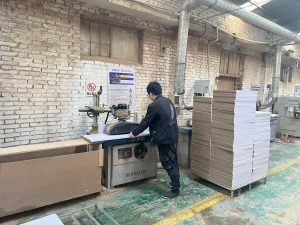
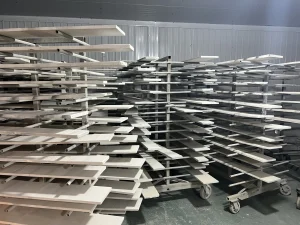
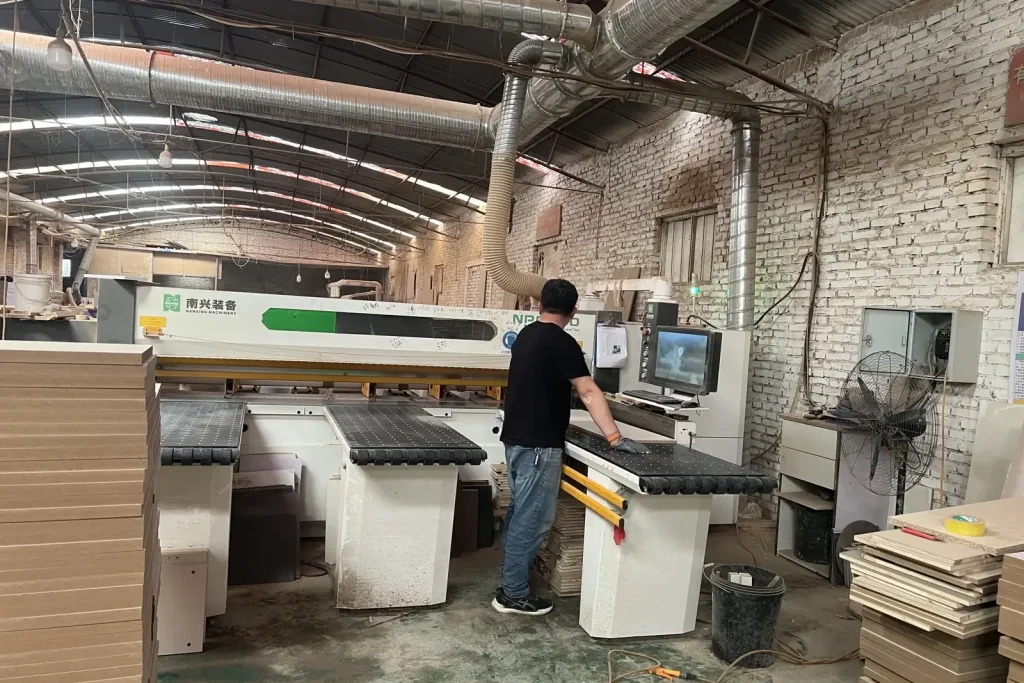
A large workshop is not automatically a reliable workshop. A small factory is not automatically weak. Buyers should focus on flow: where materials arrive, how boards are stored, how cutting and edge banding are controlled, how drilling positions are checked, how semi-finished parts move, and where finished products wait before packing.
Messy production flow creates hidden cost. Parts get scratched, batches mix together, hardware goes missing, cartons are delayed, and workers solve problems by experience instead of by standard. For simple products, this may only cause minor rework. For large retail orders or project furniture, the same weakness can create container-level claims.
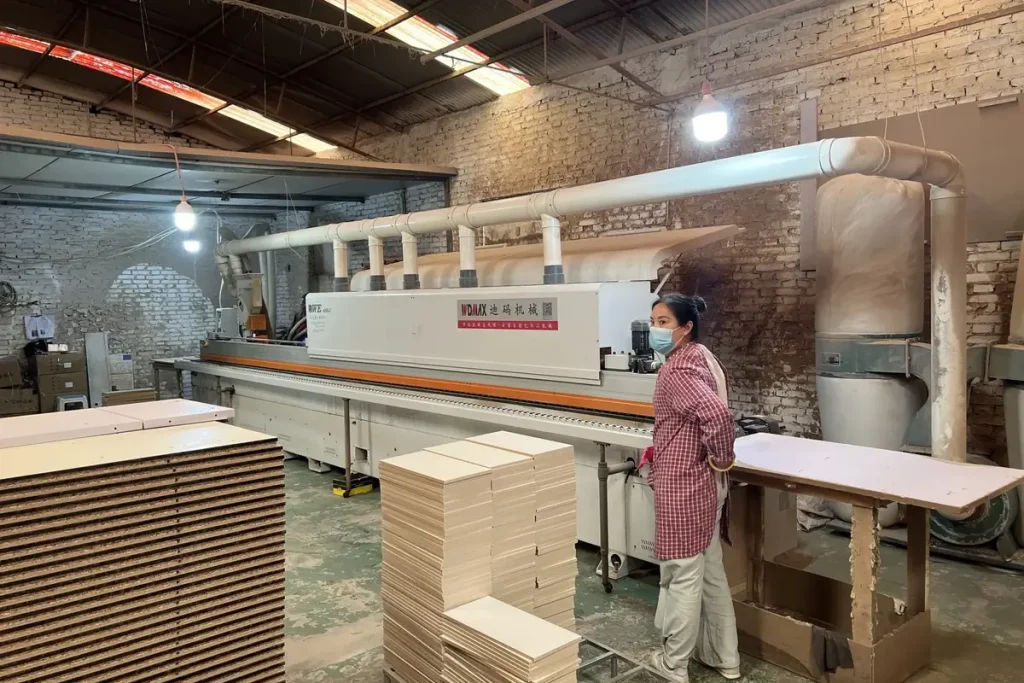
For panel furniture, buyers should ask practical questions: Does the factory use jigs or templates for repeated drilling? Are edge colors and board batches controlled? Is there a clear place for parts waiting for assembly? Are rejected parts separated? Can the factory show how one order moves from raw board to packed carton?
Understand What the Sample Really Proves
A sample is useful, but it can also mislead buyers. Some factories can make a good sample by giving it special attention, using a better worker, or correcting details by hand. That does not prove the same factory can repeat the product under normal production pressure.
Buyers should treat the sample as the beginning of capability review. The sample should confirm structure, dimensions, materials, hardware, color, finish, assembly method, packaging concept, and buyer instructions. If the product involves charging modules, lights, locks, or other functional parts, the sample should also confirm the supplier’s approach to those components.
This connects directly with furniture MOQ and sample order checks. A sample order is not only about receiving one piece. It is a chance to see whether the supplier communicates clearly, records changes, understands packaging, and can explain what will be different in mass production.
Review Quality Control Before the Product Is Finished
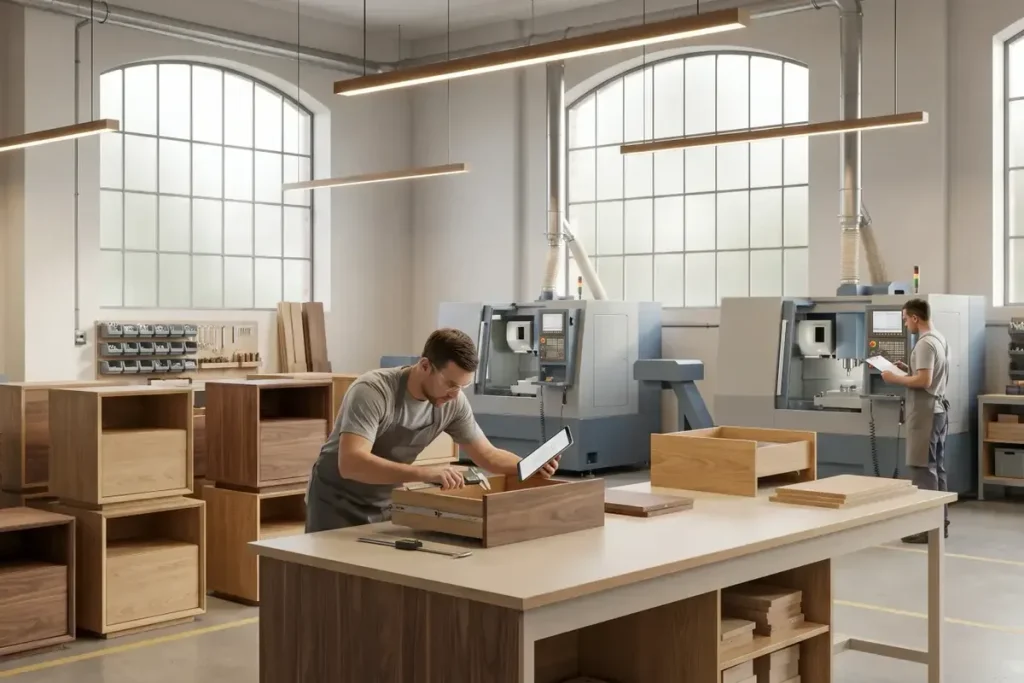
Many buyers only think about inspection after goods are packed. That is too late for some furniture problems. If drilling positions are wrong, board color varies too much, edge banding is weak, or hardware holes do not match, final inspection can identify the problem but may not leave enough time to correct it cleanly.
A better factory has checks at several points: incoming material, first-piece confirmation, semi-finished parts, assembly, finish, packing, and loading preparation. Buyers do not need a complex report for every order, but they should know which person checks each stage and what happens when a defect is found.
For export buyers, the most useful questions are direct. What defects were found in the last similar order? How were they corrected? Who signs off the first assembled piece? Are photos taken before packing? Does the factory keep a sample or reference piece during production? If the factory cannot answer these questions, the buyer should be cautious.
Packaging Capability Is Part of Factory Capability
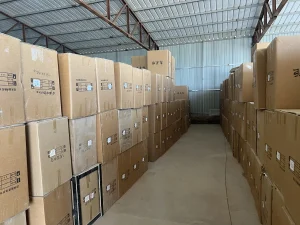
Furniture quality does not end at the assembly table. A product that leaves the workshop in good condition can still fail if the carton is weak, the corner protection is careless, accessories are loose, or the loading plan ignores pressure points. This is especially important for bedroom furniture, storage furniture, smart furniture, and project furniture where surfaces and hardware are easy to damage.
Buyers should ask for packing photos, carton specifications, inner protection details, accessory placement, assembly instruction layout, carton marks, and loading photos from similar shipments. For more detail, the article on bedroom furniture packaging and loading explains why carton logic, assembly level, and container pressure should be reviewed before shipment.
Communication Shows Operational Control
Factory capability is also visible in communication. A reliable supplier does not only reply quickly. The better sign is whether the factory can organize information: confirmed drawings, material options, color decisions, hardware lists, packaging changes, sample comments, delivery dates, and open questions.
When messages are vague, the buyer has to carry the whole project. That may work for one sample, but it is risky for repeat orders. If a supplier cannot keep a clear decision record before payment, it may also struggle to manage changes during production.
This is one reason quote comparison should go beyond unit price. A cheaper quote may become expensive if the supplier does not include the same hardware, finish, packaging, testing, accessory set, or service plan. The framework in how furniture buyers compare supplier quotes helps buyers review what is actually included.
A Practical Factory Capability Checklist
Before placing an order, buyers can use the following checklist:
- Confirm which product categories the factory makes regularly, not only what it is willing to quote.
- Ask for recent production, packing, and loading photos from similar orders.
- Review material control, board storage, edge banding, drilling, assembly, and finish handling.
- Check whether sample comments are recorded and translated into mass-production requirements.
- Ask who approves the first finished piece before full production continues.
- Confirm packaging structure, accessory placement, carton marks, and loading protection.
- Separate product price from hardware, packaging, spare parts, labels, and special requirements.
- Review whether the factory can support repeat orders with the same materials and standard.
Final Note
A furniture factory capability check does not need to be complicated. It needs to be practical. Buyers should look for production evidence, clear control points, realistic sample logic, packaging awareness, and organized communication.
The strongest supplier is not always the biggest factory or the cheapest quote. It is the factory that can understand the buyer’s standard, control the details that affect repeat production, and keep the order stable after the first sample looks acceptable.