Pet furniture used to sit beside the furniture industry, not inside it. Cat trees, pet beds, crates, litter cabinets, pet sofas, scratching furniture, and storage-style pet products were often treated as pet accessories first. That view is changing. In many export markets, pet owners now expect pet products to fit the home, not look like temporary add-ons in the corner of a room.
For furniture buyers, importers, and category teams, this creates a real opportunity. The pet furniture export market is still less mature than bedroom furniture, office furniture, or outdoor furniture, but it is connected to several strong consumer forces: pet humanization, smaller living spaces, home organization, private-label retail, and the demand for products that look better in real interiors.
That does not mean every pet furniture product is easy to sell. A weak cat tree with a low price is not a blue-ocean strategy. The better opportunity is in products that combine furniture thinking with pet-use details: stable structure, safe materials, cleanable surfaces, sensible packaging, and a visual style that retailers can position as part of the home.
Why Pet Furniture Is Becoming a Serious Export Category
Pet spending remains large in mature markets, and pet owners are buying across more lifestyle categories than before. Public market estimates vary by definition, but the direction is consistent: pet care is a large global industry, and pet furniture is one of the categories benefiting from the shift from basic pet supplies to home-integrated products. In the United States alone, annual pet industry spending is now well above 150 billion dollars. Separate pet furniture market reports also project continued growth into the early 2030s, although their exact numbers differ because some count only furniture items while others include broader pet home products.
The useful takeaway for buyers is not one headline number. It is the category behavior. Pet owners are paying attention to how a product looks in the living room, bedroom, apartment, balcony, laundry area, or home office. Retailers are also looking for differentiated private-label items instead of only commodity pet beds and basic scratching posts.
Kuan Zhang’s view is simple: pet furniture should be evaluated as furniture first, then adjusted for pet behavior. If a supplier only understands pet accessories, the product may lack structure, packaging logic, or finish consistency. If a supplier only understands ordinary furniture, the product may ignore scratching, chewing, odor, cleaning, stability, entry height, or animal comfort. The export opportunity sits between those two skill sets.
The Blue-Ocean Part Is Product Positioning
The crowded side of pet furniture is easy to see: low-cost cat trees, generic beds, basic crates, and copycat designs with similar fabric and similar photos. These products may still sell, but they are difficult for importers to defend. Price competition is direct, reviews expose quality problems quickly, and bulky packaging can erase margin.
The less crowded space is more specific. Buyers can look at pet furniture as a furniture-led category with several sub-directions:
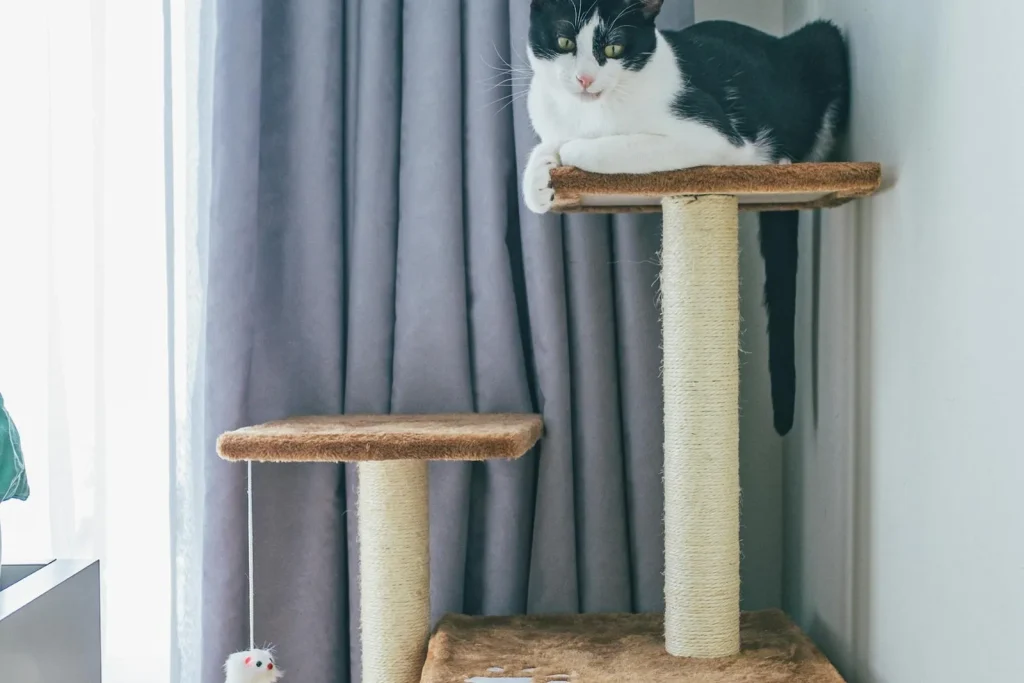
- Cat trees and climbing furniture that look cleaner in modern interiors.
- Pet beds designed as soft furniture rather than loose cushions.
- Litter box cabinets that combine storage, ventilation, odor control, and home style.
- Pet crates that can also work as side tables, benches, or room furniture.
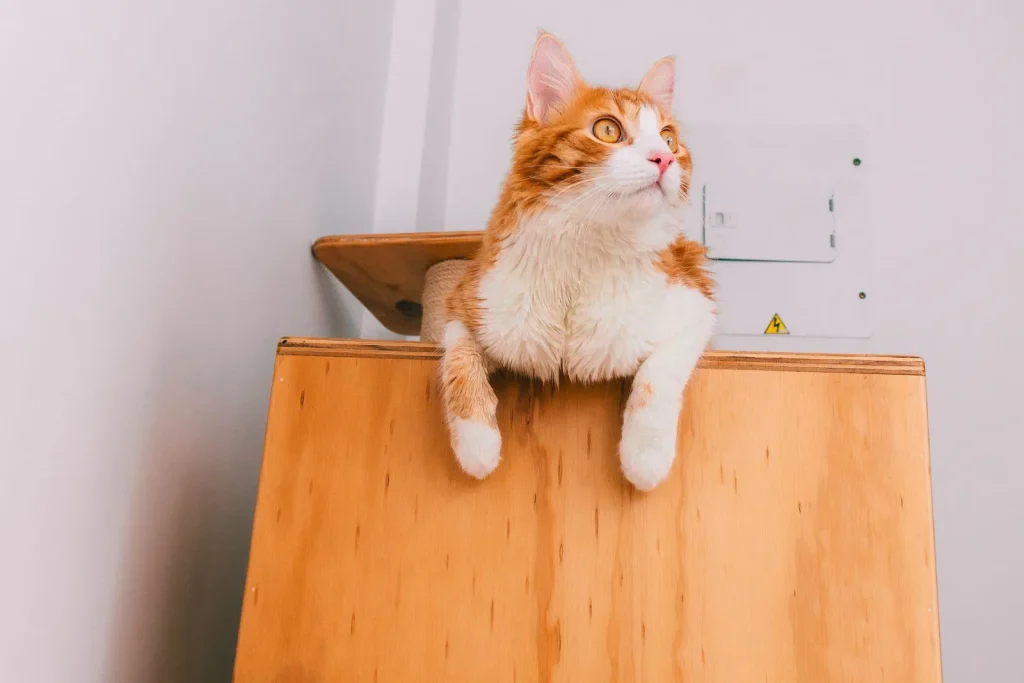
- Wall-mounted or modular cat furniture for apartments and small rooms.
- Flat-pack private-label products with better carton efficiency and assembly instructions.
These directions are not about making the product look expensive. They are about solving practical buyer problems: how the product fits a retail shelf or online listing, how it ships, how easy it is to assemble, how it survives daily use, and whether it looks credible in a home environment.
What Export Buyers Should Check Before Treating It as a New Category
Pet furniture has a different risk profile from ordinary home furniture. A bedside table mainly needs to hold weight, open smoothly, look consistent, and survive shipping. A pet cabinet or cat tree has to handle movement, scratching, climbing, odor, hair, moisture, and repeated cleaning. That changes the product brief.
Before sampling, buyers should ask suppliers about stability tests, board thickness, fixing points, fabric or surface durability, edge treatment, sisal quality, cushion construction, replaceable parts, ventilation, and cleaning expectations. For enclosed products, air flow and access are not small details. For tall products, base weight and balance are central. For flat-pack products, screw positions, pre-drilled holes, hardware packs, and instruction clarity can decide whether the product receives good reviews after delivery.
This is where the category connects directly with sourcing discipline. A buyer comparing pet furniture suppliers should not stop at a product photo and FOB price. The process should be closer to the quote comparison framework in How Furniture Buyers Should Compare Supplier Quotes Before Sampling: define the structure, materials, packaging, component assumptions, testing expectations, and sample approval standard before deciding which quote is actually lower.
China Supply Chain Advantages and Limits
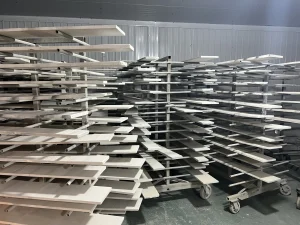
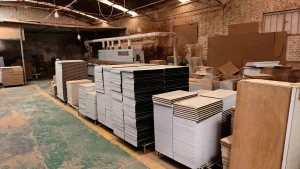
China’s furniture and pet product supply chains give buyers several advantages in this category. Many suppliers understand panel furniture, upholstery, metal frames, plastic accessories, textile components, carton packaging, and export documentation. That combination can support pet furniture products that are more complex than a simple cushion but still suitable for mass retail or e-commerce.
The limit is specialization. A supplier that makes low-cost cat trees may not be strong at clean modern cabinetry. A cabinet supplier may not understand pet behavior. A trading company may provide many designs but still need strong factory control. Buyers should identify the supplier type before building a category around it. The article China Furniture Supplier Types Buyers Should Understand is useful background for that decision.
For pet furniture, the strongest suppliers are often the ones that can discuss tradeoffs clearly. They should be able to explain why a certain board thickness is used, why a base must be wider, why a fabric may shed, why a carton needs more protection, or why a design that looks good in a picture may not ship well. That type of feedback is more valuable than a quick low quote.
Packaging and Logistics Can Decide the Profit
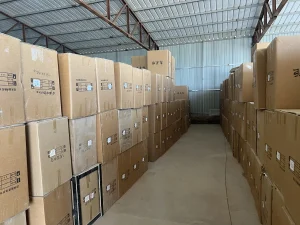
Pet furniture can be bulky. Tall cat trees, enclosed litter cabinets, pet sofas, and crate furniture may create a poor container-loading ratio if the product brief leaves packaging until the end. This is one reason the category rewards furniture experience. A design that looks good may still fail commercially if the carton is oversized, the damage rate is high, or assembly is confusing.
Buyers should review carton dimensions early, not after the sample is approved. If the product can be redesigned for flat-pack shipment without weakening structure, that may improve margin and reduce freight pressure. If a tall or assembled product is necessary, then packaging protection, compression resistance, and loading method need to be priced honestly. The same logic appears in Bedroom Furniture Packaging and Loading Notes for Buyers, but pet furniture adds more irregular shapes and soft-material details.
Instructions matter too. Pet furniture often has more parts than buyers expect: posts, boards, covers, screws, brackets, cushions, panels, doors, ventilation pieces, and small accessories. Poor instructions can create negative reviews even when the factory’s production quality is acceptable.
Where Buyers Can Start
A practical entry point is not to build a huge pet furniture line at once. Buyers can start with one or two clear subcategories where their existing customer base already shows demand. A home storage buyer may test litter box cabinets or pet storage benches. A bedroom furniture buyer may test pet beds that match bedroom materials. An e-commerce buyer may test modular cat furniture with flat-pack shipping. A project buyer may look at durable pet-friendly furniture for apartments, serviced residences, or rental properties.
Each direction needs its own supplier questions. The existing article Pet Furniture and Storage Furniture: Practical Category Notes for Buyers explains the storage side of the category in more detail. For export planning, the larger point is that pet furniture should not be treated as a novelty add-on. It deserves a product brief, a sample standard, a packaging plan, and a clear retail position.
Final Note for Importers and Category Teams
Pet furniture is a promising export category because it sits at the intersection of pet care, home furniture, storage, and lifestyle retail. That intersection is exactly why the opportunity exists. It is also why buyers need to be selective.
The category will reward suppliers and buyers who can make pet products more furniture-like without forgetting the animal use case. Stable structure, cleaner design, better packaging, and practical quality control are more important than chasing every new design seen online. For buyers willing to develop the category carefully, pet furniture can be more than a side product. It can become a durable part of a broader home and furniture assortment.