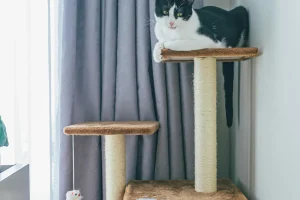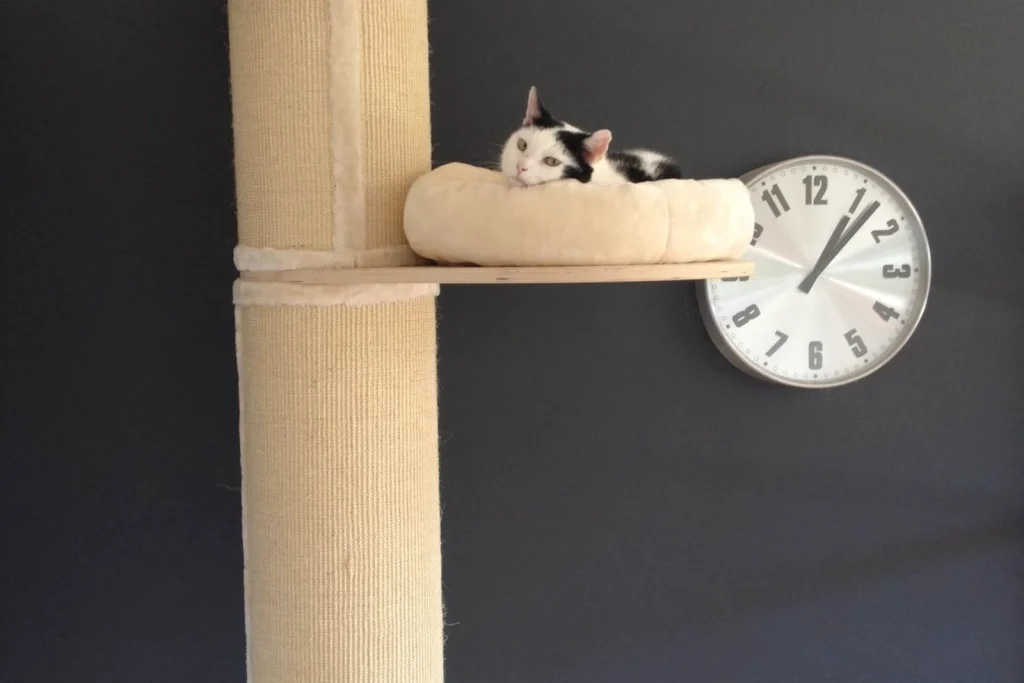
Pet furniture and storage furniture often look simple from the outside, but both categories depend on practical details that affect customer satisfaction. A cat tree, pet cabinet, storage bench, organizer, or modular shelf may be easy to photograph, but it still needs stable structure, clean materials, safe edges, durable surfaces, clear assembly, and packaging that protects the product through export shipping.
For buyers, the category question is not only whether a supplier can make the item. The more useful question is whether the supplier understands how the product will be used, cleaned, moved, assembled, and returned if the design is weak.
Pet Furniture Is Still Home Furniture
Pet furniture sits inside the home, so it has to meet both pet-use and home-furniture expectations. A buyer should consider scratch resistance, fabric wear, odor, cleaning, stability, weight capacity, board quality, edge safety, and whether the product visually fits the room.
For cat furniture, the risk is often stability and surface durability. For pet cabinets or litter-box furniture, ventilation, cleaning access, hinge quality, and board protection matter. For small pet beds or integrated side tables, fabric, foam, removable covers, and packaging compression can change the user experience. These details should be part of the product brief, not left to supplier assumptions.
Storage Furniture Depends on Function and Assembly
Storage furniture has its own practical logic. The buyer should define what the product stores, how much weight it carries, how often it moves, whether it is flat-packed, and what tools or hardware are used in assembly. A weak assembly structure can damage reviews even when the product looks attractive online.
Common issues include unstable panels, weak hinges, low-grade drawer slides, poor screw holding, unclear instructions, and packaging that allows corner damage. If the product is sold through ecommerce, packaging and assembly clarity become part of the product quality. Buyers should ask for carton drop-test assumptions, corner protection, hardware bag organization, instruction layout, and spare hardware policy.
Private Label Planning Needs More Than a Logo
Pet and storage categories are common private-label opportunities. But private label planning should include carton design, instruction sheets, warning labels, color naming, material claims, SKU logic, replacement parts, and photography consistency. A supplier that can only change the logo may not be enough for a buyer building a repeatable retail program.
Buyers should also think about product families. A pet furniture line may include cat trees, pet beds, side-table pet houses, and storage-friendly pet stations. A storage line may include cabinets, benches, modular shelves, and small-space organizers. Consistent materials, finishes, hardware, and packaging can make the line easier to manage.
Use the Category Brief to Compare Suppliers
Before contacting suppliers, write down the intended user, target room, material expectation, load requirement, cleaning requirement, assembly method, packaging method, and target price. Then ask each supplier to respond against the same brief.
This is the same discipline used in broader furniture sourcing preparation. A practical brief makes category development clearer and helps buyers separate attractive photos from products that can be produced consistently.
Questions Buyers Should Ask Suppliers
For pet furniture, ask about weight capacity, fabric or rope durability, odor control, cleaning method, edge safety, and whether the structure has been tested for tipping. For storage furniture, ask about panel thickness, screw holding, hinge grade, drawer-slide grade, carton protection, and whether the product can be assembled repeatedly without loosening.
These questions help buyers compare suppliers on practical production ability rather than only on photos. They also help the buyer decide whether a product is suitable for ecommerce, retail shelves, private label, or a broader furniture collection.