Furniture export trade looks simple from a distance: find products, quote prices, ship containers, and sell into another market. In practice, the category is much more demanding. Furniture is large, material-sensitive, style-sensitive, damage-prone, and closely tied to local living habits. A product that looks attractive in one market may need different dimensions, finishes, packaging, assembly instructions, or compliance documents before it can work elsewhere.
For importers, sourcing managers, brand teams, and export suppliers, the first question should not be “Which furniture sells overseas?” A better question is: what kind of furniture can be repeated, shipped, explained, serviced, and positioned clearly in the target market?
The original idea is still useful: furniture export is an opportunity, but opportunity alone does not build a stable business. The export side needs product judgment, supplier control, market understanding, and disciplined execution.
Start With the Target Market, Not the Product Photo
Many furniture export projects begin with a product image. A buyer sees a cabinet, sofa, nightstand, pet furniture item, or hotel casegoods design and asks for a price. That is normal, but it is not enough. Export furniture must match the target market’s room size, retail price level, channel format, packaging tolerance, assembly habits, and after-sales expectations.
A bedroom cabinet for a small apartment market may need different dimensions from a product sold to suburban furniture stores. A pet furniture item for e-commerce may need stronger flat-pack packaging than a product sold through local distributors. A hotel furniture project may care less about retail photos and more about batch consistency, finish approval, replacement parts, and installation timing.
Kuan Zhang’s view is that furniture export should be treated as a market-fit exercise before it becomes a price negotiation. If the buyer and supplier do not define the target channel, expected order structure, packaging method, and quality level, the first quote is usually incomplete.
Product Style Matters, But It Cannot Stand Alone
Furniture carries design language. Wood tone, surface texture, hardware, edge shape, leg style, drawer proportion, upholstery fabric, and storage layout all affect whether a product feels right in a market. Some buyers may look for modern minimal designs, while others may want more traditional, hotel-ready, rustic, or home-storage styles.
Style is only one layer. Export furniture also needs practical repeatability. A design that depends on unstable material supply, difficult finishing, weak cartons, or too many hand-adjusted details may become hard to scale. This is especially true for private-label programs, project orders, and mixed-SKU container planning.
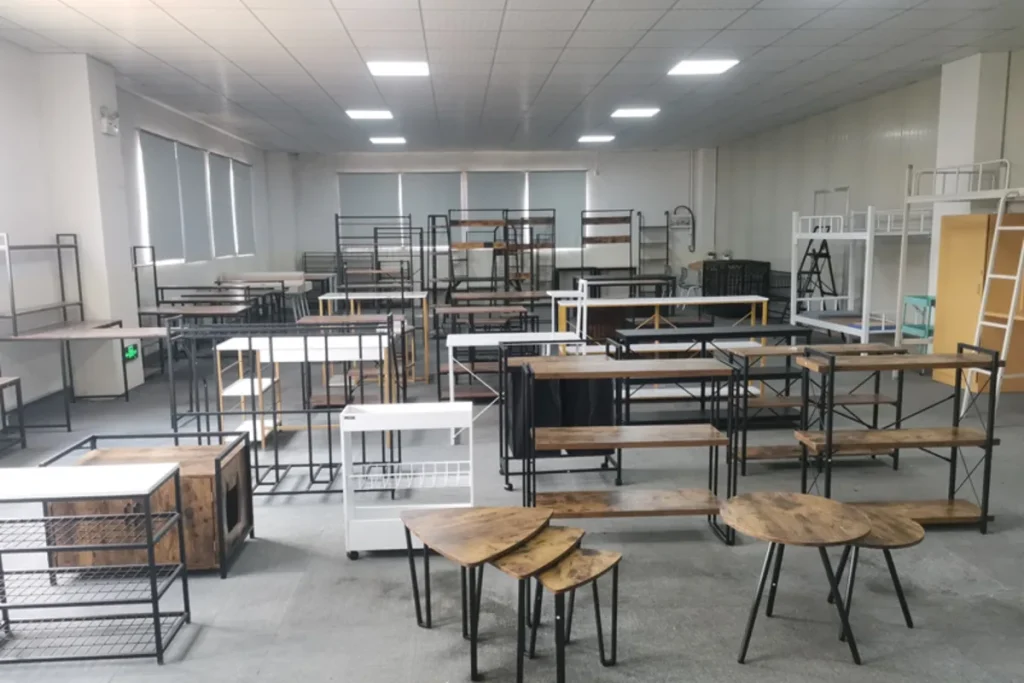
Before sampling, buyers should compare quotes by product structure, materials, hardware, packaging, lead time, sample cost, tooling or mold assumptions, payment terms, inspection expectations, and shipment planning. This is why How Furniture Buyers Should Compare Supplier Quotes Before Sampling is directly relevant to export furniture projects.
For suppliers, a clear quote also protects the business. If the quote states the assumptions, both sides can discuss tradeoffs before production. If the quote is only a number, the project may later become a dispute about what was included.
Packaging and Loading Are Part of Product Development
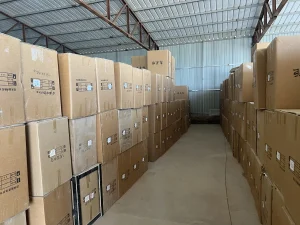
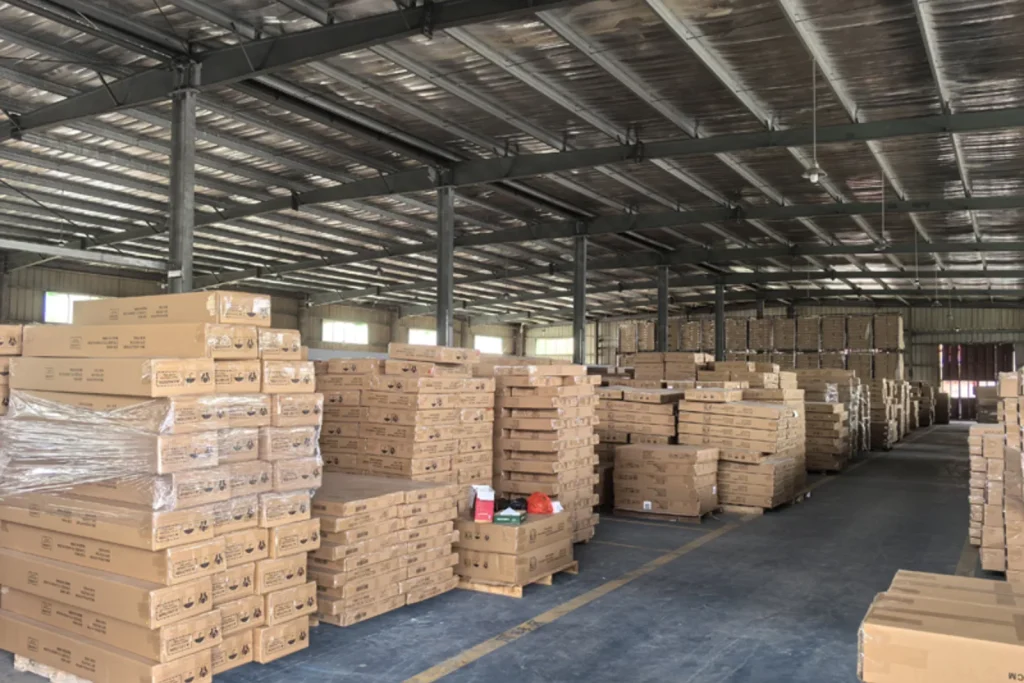
Furniture is costly to ship and costly to damage. Export projects should treat packaging as part of product development, not as the last step after sample approval. Carton size, inner protection, corner guards, foam, honeycomb board, hardware packs, instruction sheets, labels, palletization, and loading method all affect the real delivered cost.
For bulky items, a small structure change can improve container loading. For flat-pack items, a clear assembly system can reduce complaints. For project furniture, room labels and replacement-piece planning can reduce site confusion. For e-commerce furniture, carton strength and drop-test expectations can decide whether reviews remain stable.
The broader packaging logic is covered in Bedroom Furniture Packaging and Loading Notes for Buyers, but the same principle applies across export furniture categories: if a product cannot survive the export chain, it is not ready for export.
Channels Shape the Product
A distributor program, retail collection, e-commerce listing, hotel project, and private-label line do not need the same furniture configuration. The sales channel affects SKU count, packaging, barcode requirements, instruction design, spare parts, product photos, minimum order quantity, and reorder rhythm.
Export suppliers should ask where the product will be sold. Buyers should explain the channel instead of only asking for a catalogue. When both sides understand the channel, the product brief becomes more realistic: fewer unnecessary SKUs, better packaging choices, clearer sample priorities, and a more useful quote.
A Practical Starting Checklist
Before building a furniture export program, buyers and suppliers can align on a basic checklist:
- Target country and sales channel.
- Product category and intended price level.
- Dimensions, material, finish, hardware, and function.
- Compliance concerns and required documents.
- Packaging method, carton size, and loading assumption.
- Sample standard and approval process.
- Initial order quantity and reorder plan.
- Inspection, spare parts, and after-sales responsibility.
This is not paperwork for its own sake. It is how both sides reduce avoidable risk before money is spent on samples, cartons, and production slots.
Final Note
Furniture export trade can be a strong opportunity, but it is not won by copying a design, lowering a price, or chasing every market at once. The better path is slower at the beginning: understand the target market, choose the right supplier type, build a clear specification, confirm compliance and packaging, then use samples to verify what has already been agreed.
When those basics are handled well, furniture export becomes less dependent on luck and more dependent on repeatable execution. That is where long-term trade relationships are built.